
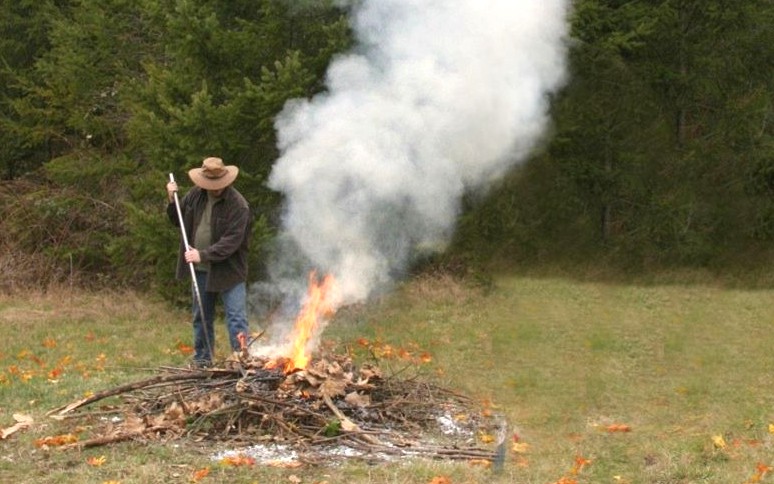
Many homeowners wonder if they can simply light a fire in their back garden to get rid of accumulated rubbish and garden waste. The temptation to burn everything from old furniture to garden clippings can be strong, especially when council collection services are limited or expensive.
Burning rubbish in your garden is legal in the UK, but strict regulations govern what materials you can burn and how you must do it safely. Garden bonfires have specific rules that homeowners must follow to avoid fines and complaints from neighbours. Breaking these laws can result in penalties and create dangerous situations for both your family and the wider community.
Understanding these regulations is crucial before lighting any fire in your garden. The wrong materials can release toxic fumes, whilst improper burning practices can create statutory nuisances that councils must investigate. This guide will help you navigate the legal requirements and explore safer alternatives for waste disposal.
Key Takeaways
- You can legally burn certain garden waste like dry leaves and untreated wood, but household rubbish and treated materials are prohibited
- Councils can issue fines and abatement notices if your bonfire causes pollution or becomes a nuisance to neighbours
- Composting and recycling are often safer and more environmentally friendly alternatives to burning garden waste
Looking for fire marshal training? We offer a range of online RoSPA approve courses.
Are You Allowed To Burn Rubbish In Your Garden?
Burning rubbish in your garden is legal in most parts of the UK, but strict regulations govern what you can burn and how you do it. The law treats garden waste and household rubbish differently, with additional restrictions applying in designated smoke control areas.
Legal Status of Burning Rubbish
Burning rubbish in your garden is legal under UK law, but this comes with important conditions. The Environmental Protection Act 1990 makes it illegal to burn waste that could cause pollution or harm people's health.
You cannot burn materials that release toxic fumes. This includes:
- Plastic items and packaging
- Rubber tyres or products
- Painted or treated wood
- Foam furniture or mattresses
- Household chemicals or aerosols
The Clean Air Act 1993 also prohibits burning waste that creates dark smoke. You could face a £50,000 fine for burning prohibited materials.
You can be fined if smoke drifts across roads and creates a danger to traffic. The smoke must not cause unreasonable inconvenience to neighbours or reduce visibility.
Differences Between Garden Waste and Household Rubbish
The law treats garden waste and household rubbish very differently. You can burn dry garden waste like branches, leaves, and pruned material in most areas.
Acceptable garden bonfire materials:
- Dry branches and twigs
- Fallen leaves (when dry)
- Pruned hedge clippings
- Clean untreated timber
- Paper and cardboard
Prohibited household rubbish:
- Kitchen waste and food scraps
- Clothing and textiles
- Electronic items
- Batteries
- Any plastic containers
The government recommends composting or recycling garden waste instead of burning it. Contact your local council about garden waste collection services in your area.
Burning household rubbish is heavily restricted because it often contains synthetic materials that release harmful chemicals when burned.
Smoke Control Areas and Local By-Laws
Many urban areas across the UK are designated as smoke control areas under the Clean Air Act 1993. In these zones, burning garden waste may be completely prohibited or heavily restricted.
Smoke control restrictions include:
- No burning of any materials that produce smoke
- Authorised fuels only in approved appliances
- Complete bans on open fires and bonfires
Your local council can issue abatement notices if your bonfire causes a statutory nuisance. Neighbours can be fined if they don't follow abatement notice rules after complaints are made.
Check with your local authority before lighting any garden bonfire. Many councils have specific by-laws that go beyond national regulations.
There are no specific rules about times you can burn rubbish, but you must avoid creating health hazards or unreasonable inconvenience to others at any time of day.
UK Laws Governing Garden Bonfires
Several key pieces of legislation control what you can burn in your garden and when. The Environmental Protection Act 1990 prohibits burning household waste, whilst the Clean Air Act 1993 addresses smoke emissions and air quality concerns.
Environmental Protection Act 1990
The Environmental Protection Act 1990 forms the backbone of waste disposal regulations in the UK. This legislation makes it illegal to burn household waste if it causes pollution or harms public health.
Under this Act, you cannot burn items like:
- Plastic materials (bottles, bags, containers)
- Rubber products (tyres, wellington boots)
- Treated wood (painted or varnished timber)
- Household rubbish (food waste, packaging)
The Act requires proper disposal of household waste through recycling or council collection services. Garden bonfires must comply with environmental regulations to avoid prosecution.
Violations can result in unlimited fines. Local authorities have powers to investigate and prosecute offenders who burn prohibited materials.
Clean Air Act 1993 Overview
The Clean Air Act 1993 specifically addresses smoke emissions and air quality standards. This legislation gives councils authority to designate smoke control areas where burning restrictions apply.
In smoke control areas, you cannot burn unauthorised materials that produce smoke. The Act covers both domestic and commercial premises.
Key provisions include:
- Smoke control designations for urban areas
- Authorised fuel requirements in restricted zones
- Emission standards for domestic fires
Local councils can issue fines for violations of smoke control orders. The Act also addresses industrial emissions that affect air quality.
Statutory Nuisance and Enforcement
Statutory nuisance laws protect neighbours from harmful smoke and fumes from garden bonfires. Councils must investigate complaints about bonfires that cause health risks or significant inconvenience.
A bonfire becomes a statutory nuisance when it:
- Produces excessive smoke that affects neighbouring properties
- Creates health hazards for people with respiratory conditions
- Occurs frequently without reasonable justification
Councils can issue abatement notices to stop nuisance bonfires. These legal notices require immediate action to reduce or eliminate the problem.
Failure to comply with an abatement notice results in criminal prosecution. Fines can reach several thousand pounds for continued breaches.
Smoke, Pollution, and Public Health Risks
Bonfire smoke contains harmful particles that pose serious health risks, particularly for vulnerable groups. The smoke worsens conditions like asthma, bronchitis, and chronic obstructive pulmonary disease.
Health impacts include:
- Respiratory irritation and breathing difficulties
- Worsening of existing lung conditions
- Eye and throat irritation
- Cardiovascular stress
Smoke drifting across roads creates traffic hazards and can result in fines. Poor visibility from smoke endangers drivers and pedestrians.
Air pollution from bonfires contributes to broader environmental damage. Burning releases carbon monoxide, particulates, and toxic chemicals into the atmosphere.
Councils prioritise public health when enforcing bonfire regulations. Breathing bonfire smoke is harmful to health and authorities take complaints seriously.
What You Can and Cannot Burn in Your Garden
Knowing which materials are legal to burn can save you from hefty fines and keep your neighbours happy. Some items are safe for garden bonfires, whilst others could result in serious penalties.
Permitted Materials for Garden Fires
Only certain types of waste are safe and legal to burn garden waste in your garden. Dry garden materials make up the majority of acceptable items.
Natural Garden Waste:
- Dry leaves and grass clippings
- Tree branches and twigs
- Hedge trimmings and prunings
- Dead plants and flowers
Other Permitted Materials:
- Clean, untreated timber
- Plain paper and cardboard
- Natural materials like straw
The key requirement is that all materials must be completely dry before burning. Wet or green waste creates excessive smoke and burns poorly.
Garden waste burns most efficiently when it has been left to dry for several weeks. This reduces smoke production and makes the fire easier to control.
Only burn small amounts at a time. Large piles can quickly get out of control and create dangerous conditions.
Prohibited Rubbish and Potential Fines
Burning the wrong materials can result in fines up to £50,000. The penalties reflect the serious health and environmental risks these items pose.
Strictly Forbidden Items:
- Plastic materials and containers
- Rubber items including tyres
- Treated or painted wood
- Household rubbish and food waste
- Textiles and clothing
- Electrical items and batteries
These materials release toxic fumes when burned. The chemicals can harm human health and pollute the environment.
Potential Consequences:
- Fines up to £50,000 for burning prohibited waste
- Additional penalties if smoke endangers traffic
- Council abatement notices for nuisance fires
Local councils can investigate complaints about garden fires. They have the power to issue formal notices and impose fines for repeated offences.
Handling Treated or Commercial Waste
Treated wood and commercial waste require special disposal methods. These materials often contain chemicals that become dangerous when burned.
Pressure-treated timber contains preservatives that release toxic gases when heated. This includes most fence panels, decking, and outdoor furniture.
Painted or varnished wood also falls into the prohibited category. The coatings create harmful fumes that can cause respiratory problems.
Proper Disposal Methods:
- Take treated wood to licensed waste centres
- Use council collection services for bulky items
- Contact commercial waste disposal companies for large amounts
Building waste from construction projects cannot be burned at home. This includes offcuts, packaging materials, and demolition debris.
Commercial waste disposal services handle these materials safely. They ensure proper recycling or disposal according to environmental regulations.
How To Burn Garden Waste Safely
Burning garden waste safely requires following proper procedures and being legally responsible for preventing pollution or nuisance. The key elements include using correct burning methods, controlling smoke output, and respecting neighbours' rights.
Best Practices for Safe Burning
Choose a calm day with little wind to prevent flames spreading. Clear a 3-metre radius around the burning area of any flammable materials.
Keep water or a hosepipe nearby for emergencies. Never leave a fire unattended, even for short periods.
Safe materials to burn:
- Dry garden waste (leaves, branches)
- Clean timber
- Paper and cardboard
Never burn these items:
- Plastic or rubber
- Treated wood
- Household waste
- Wet materials
Start fires in the early evening when wind typically dies down. Build fires gradually rather than creating large blazes immediately.
Use a proper incinerator or designated fire area rather than burning waste directly on grass. This prevents ground damage and provides better control.
Minimising Smoke and Pollution
Only burn completely dry materials to reduce smoke production. Wet waste creates thick, acrid smoke that travels further.
Stack materials loosely to allow proper airflow. Dense piles smoulder and produce more smoke than well-ventilated fires.
Avoid burning during temperature inversions when smoke hangs low. These conditions typically occur on still, foggy mornings.
Timing considerations:
- Best: Early evening with light breeze
- Acceptable: Late afternoon on clear days
- Avoid: Foggy mornings or very windy conditions
Add materials gradually rather than dumping large amounts at once. This maintains cleaner combustion and reduces smoke output.
Choose burning locations away from washing lines, open windows, and air vents to minimise impact on others.
Neighbour Considerations
Check wind direction before lighting fires to avoid blowing smoke towards neighbours' properties. This prevents complaints and maintains good relationships.
Inform nearby neighbours about planned burning, especially if they have washing out or windows open. This courtesy prevents conflicts.
Be aware that councils can investigate complaints about smoke as a statutory nuisance. Repeated issues may result in abatement notices or fines.
Signs your fire may cause problems:
- Smoke drifting into neighbours' gardens
- Strong odours reaching other properties
- Ash or debris blowing onto adjacent land
Stop burning immediately if smoke becomes problematic or neighbours complain. Extinguish fires properly by dousing with water and stirring ashes.
Avoid burning during peak garden use times like weekend afternoons when neighbours are most likely to be outdoors.
Alternatives to Burning Rubbish in Your Garden
Several safe and legal options exist for disposing of garden waste without burning. Composting turns organic materials into useful soil conditioner, whilst council collection services and professional removal companies handle larger volumes efficiently.
Composting Green Waste
Composting transforms garden waste into nutrient-rich soil conditioner. This method works best for grass clippings, fallen leaves, plant trimmings, and small branches.
A basic compost bin requires equal parts green materials (nitrogen-rich) and brown materials (carbon-rich). Green materials include fresh grass cuttings, vegetable peelings, and soft plant material.
Brown materials consist of dried leaves, small twigs, cardboard, and paper. The mixture needs regular turning every few weeks to speed decomposition.
Composting benefits include:
- Free soil improver for gardens
- Reduced household waste
- Lower carbon footprint
- Natural recycling process
Most garden waste breaks down within 6-12 months. Hot composting methods can reduce this to 3-6 months with proper management.
Council Garden Waste Collection
Most local councils offer garden waste collection services for residents. These services typically operate fortnightly during growing seasons from March to November.
Garden waste bins usually cost £30-60 annually per household. Councils provide specific brown or green bins for organic waste only.
Typical collection includes:
- Grass cuttings and hedge trimmings
- Leaves and small branches
- Dead flowers and plants
- Windfall fruit
Most councils prohibit soil, stones, or treated timber in garden waste bins. Some areas offer additional paid collections for larger clearances.
Residents can contact their local authority to arrange collection services. Many councils also operate household waste recycling centres that accept garden waste free of charge.
Professional Garden Waste Removal
Professional removal companies offer convenient solutions for large garden clearances. These services suit major landscaping projects or when council collections prove insufficient.
Companies typically charge £80-200 for standard garden waste removal. Prices vary based on volume, accessibility, and location.
Professional services include:
- Same-day or next-day collection
- No size restrictions on waste
- Proper disposal and recycling
- Clearance of awkward materials
Many companies provide eco-friendly disposal alternatives including composting facilities and biomass processing. This ensures waste gets recycled rather than sent to landfill.
Licensed waste carriers offer certificates of disposal for commercial properties. Homeowners should verify company credentials and waste transfer documentation.
Dealing With Complaints and Penalties
When garden burning causes problems, councils have legal powers to investigate complaints and issue formal notices. Penalties can include substantial fines for those who ignore official warnings or continue causing nuisances.
Neighbour Complaints and Council Action
Neighbours can report garden fires that cause smoke problems to their local council. Councils must investigate complaints about smoke and fumes that might be a statutory nuisance.
A statutory nuisance occurs when smoke regularly affects other people's enjoyment of their property. This includes smoke that drifts into homes, gardens, or causes health problems.
Council officers will assess the situation by visiting the area. They may monitor smoke levels and speak to both the complainant and the person burning waste.
The council does not need to witness the nuisance themselves. They can rely on witness statements and evidence from residents about ongoing problems.
Common reasons for complaints include:
- Smoke entering neighbouring homes
- Strong odours from burning inappropriate materials
- Regular fires that disrupt daily life
- Health impacts on vulnerable residents
Understanding Abatement Notices
Councils can issue an abatement notice when they determine a bonfire creates a statutory nuisance. This legal document orders the person to stop the problematic activity.
The abatement notice will specify exactly what actions the person must take. It typically prohibits certain types of burning or sets strict conditions for any future fires.
An abatement notice might require someone to:
- Stop burning waste completely
- Only burn at specific times
- Use alternative disposal methods
- Prevent smoke from affecting neighbours
Recipients have 21 days to appeal an abatement notice to the magistrates' court. They must continue following the notice requirements during any appeal process.
The notice remains legally binding until formally withdrawn by the council. Breaking its terms becomes a criminal offence with potential court action.
Penalties and Fines for Non-Compliance
People who ignore abatement notices face prosecution in magistrates' court. Fines can reach substantial amounts for continued breaches of the legal requirements.
Courts can impose fines up to £5,000 for domestic properties. Additional daily fines may apply if the nuisance continues after conviction.
Separate penalties exist for other burning offences:
- Allowing smoke to drift across roads and endanger traffic
- Burning prohibited materials that cause pollution
- Creating fires without proper safety precautions
The council may also take direct action to stop the nuisance. They can recover these costs from the property owner through legal proceedings.
Repeat offenders face higher penalties and potential criminal records. Courts consider the impact on neighbours and any previous warnings when setting fines.
Frequently Asked Questions
Garden burning regulations in the UK involve specific legal requirements and environmental considerations. Understanding what materials are permitted, potential penalties, and safer disposal methods helps homeowners make informed decisions about waste management.
Is it legal to incinerate waste in a residential garden?
Garden fires are allowed in the UK, but strict rules apply to what can be burnt. Burning household waste that causes pollution or harms people's health is prohibited under UK law.
Local councils may have additional restrictions or complete bans on garden burning. Residents should check with their local authority before lighting any fires.
The smoke from garden fires cannot drift across roads where it might endanger traffic. This could result in fines for the person responsible.
What types of garden waste are permissible to burn at home?
Only clean, dry, untreated, and unpainted natural materials can legally be burned in residential gardens. This includes small branches, leaves, twigs, and untreated wood.
Dry garden waste and clean untreated timber are acceptable for burning. Green or wet garden waste should not be burnt as it produces excessive smoke.
Paper and cardboard from garden use may be burnt if they are clean and dry. However, these materials are better suited for recycling programmes.
Are there specific local council regulations for disposing of household refuse by burning?
Most UK councils prohibit burning household rubbish entirely. Local councils have responsibility to investigate complaints about smoke and fumes that create statutory nuisances.
Councils can issue abatement notices if garden fires cause problems for neighbours. Breaking these notices can result in fines for the property owner.
Some areas have complete bans on garden burning during certain seasons or weather conditions. Residents must contact their local council for specific rules in their area.
Can burning garden waste lead to penalties or fines under UK law?
Yes, burning rubbish in gardens can break the law and result in penalties. Fines apply when smoke drifts across roads and creates traffic hazards.
Local councils can fine residents who ignore abatement notices about problematic garden fires. The amount varies by council and severity of the breach.
Burning prohibited materials like plastics, treated wood, or household waste can result in prosecution under environmental protection laws. These penalties can include substantial fines.
What environmental considerations should be taken into account before burning garden debris?
Burning garden waste releases carbon dioxide and other pollutants into the atmosphere. This contributes to air quality problems, especially in urban areas.
Smoke from garden fires can trigger asthma and respiratory problems in neighbours and local residents. Children and elderly people are particularly vulnerable to these health effects.
Burning releases stored carbon that composting would return to soil naturally. This makes burning less environmentally friendly than other disposal methods.
Wildlife habitats in compost heaps and leaf piles are destroyed when materials are burnt instead. Many beneficial insects and small animals depend on these spaces.
What are the recommended alternatives to burning rubbish in your garden?
Composting and recycling are the preferred methods for disposing of garden waste. Most councils offer garden waste collection services for residents.
Local household waste recycling centres accept most types of garden waste. These facilities process materials in environmentally responsible ways.
Garden incinerators or private collection companies provide safer alternatives to open burning. These options reduce smoke and environmental impact.
Creating wildlife areas with fallen leaves and small branches benefits local ecosystems. This eliminates waste whilst supporting garden biodiversity.

%201.png)