
Blog

How to Stop Combustion: Fire Triangle & Extinguishing Methods

by
Mark McShane
November 24, 2025
8 mins

Table of Contents

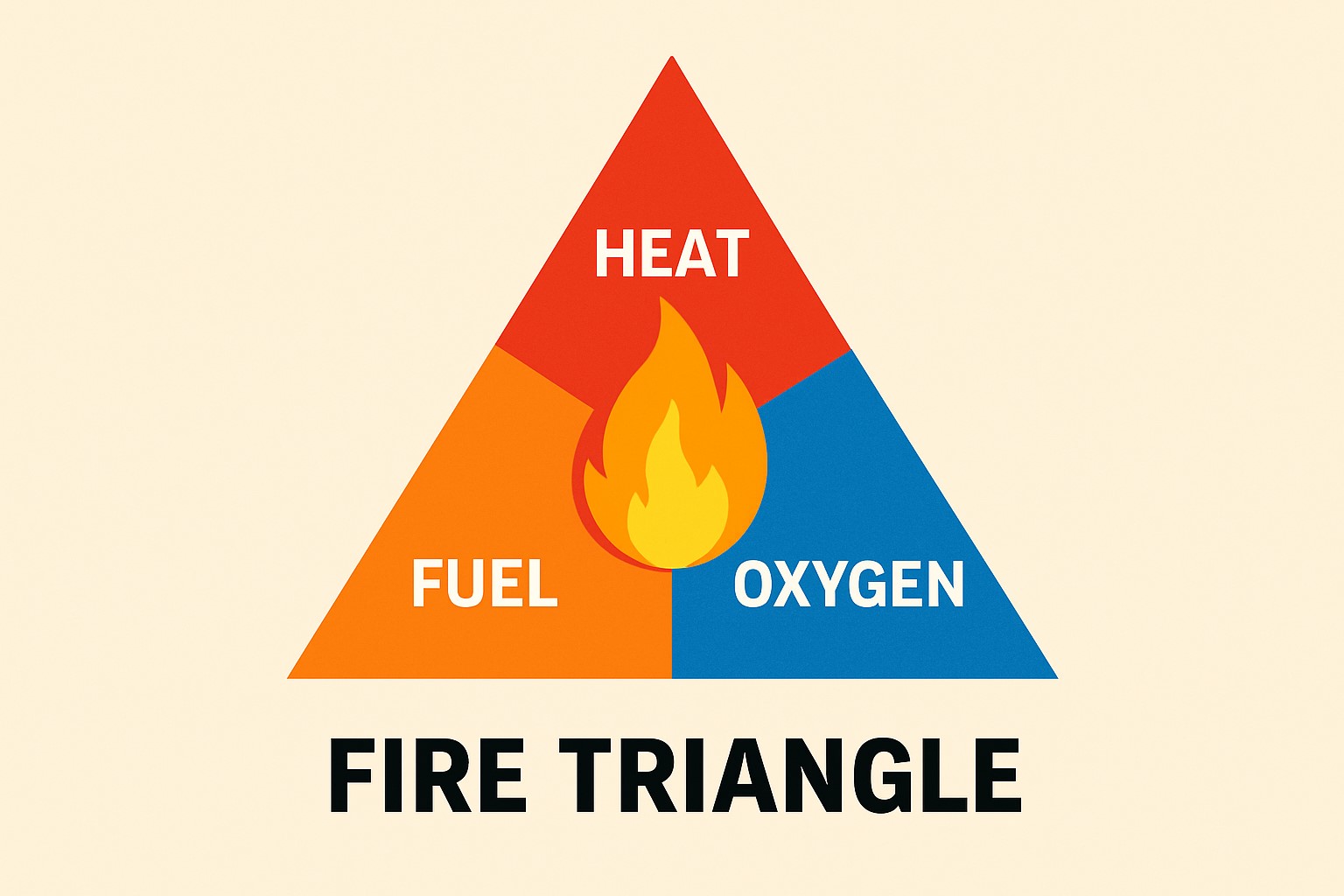
Fires can spread quickly and cause serious damage, but understanding how combustion works gives people the power to stop it effectively. To extinguish a fire, one must remove at least one element from the fire triangle: fuel, heat, or oxygen. This simple principle forms the basis of all fire suppression methods, from basic fire blankets to advanced extinguishing systems.

Every fire requires three essential components to survive, and breaking the fire triangle offers multiple ways to tackle different fire situations. Whether dealing with burning paper, cooking oil fires, or electrical blazes, the same fundamental approach applies. Different extinguishing methods target different elements of this triangle.

Knowing which method to use depends on the type of fire and available equipment. Fire blankets smother flames by removing oxygen, whilst water-based extinguishers cool the burning material to remove heat. Understanding the fire triangle concept helps people choose the most effective approach for any fire emergency they might face.

Key Takeaways

  • Fires need fuel, heat, and oxygen to survive, and removing any one element will extinguish the flame
  • Different types of fire extinguishers work by targeting specific elements of the fire triangle based on the burning material
  • Proper fire safety equipment and knowledge of basic suppression methods can prevent small fires from becoming dangerous emergencies

Looking for fire warden training? We offer a range of online RoSPA approve courses.

Understanding Combustion and the Fire Triangle

The fire triangle identifies the three essential elements needed for any fire to start and continue burning: heat, fuel, and oxygen. Removing any single element from this triangle will stop combustion completely.

Elements of the Fire Triangle: Heat, Fuel, and Oxygen

Heat serves as the ignition source that starts combustion. Every flammable material releases vapours when heated to a certain temperature.

These vapours ignite when exposed to sufficient heat. Heat also helps fires spread by drying nearby materials and preheating potential fuel sources.

Fuel refers to any material that burns during a fire. Different types of fuel burn at varying temperatures and intensities.

Common fuel types include:

  • Solid fuels: Wood, paper, plastic, textiles
  • Liquid fuels: Petrol, oils, cooking fats
  • Gas fuels: Propane, butane, methane
  • Metal fuels: Magnesium, lithium, calcium

Oxygen drives the chemical reaction behind combustion. Fires need at least 16% oxygen in the air to burn.

Normal air contains about 21% oxygen. This makes most environments suitable for fire growth if heat and fuel are present.

Role of the Fire Triangle in Combustion

All three elements must be present simultaneously for combustion to occur. The chemical reaction between heat, fuel, and oxygen creates the burning process.

Heat raises the fuel temperature until it releases flammable vapours. Oxygen then combines with these vapours in a chemical reaction.

This reaction produces more heat, which creates additional vapours from the fuel. The cycle continues as long as all three elements remain available.

The fire triangle shows why fires can grow quickly once started. Each element supports the others in maintaining combustion.

How Removing Elements Stops Combustion

Removing just one element from the fire triangle can extinguish a fire entirely. This principle guides all fire suppression methods.

Removing heat involves cooling the burning material below its ignition temperature. Water extinguishers work by absorbing heat from the fire.

The water turns to steam, which removes thermal energy from the combustion zone. This stops the fuel from producing flammable vapours.

Removing fuel means eliminating the material that burns. Firebreaks in forest fires work by removing trees from the fire's path.

Gas fires can be stopped by shutting off the gas supply. This removes the fuel source feeding the flames.

Removing oxygen suffocates the fire by cutting off the chemical reaction. Fire blankets and carbon dioxide extinguishers work by displacing oxygen.

Closing doors during evacuation limits oxygen flow to fires. Foam extinguishers create a barrier between the fuel and oxygen.

Effective Methods to Extinguish a Fire

Fire requires three elements to survive: heat, fuel, and oxygen. Removing any one of these elements will extinguish a fire through cooling, starvation, or smothering techniques.

Cooling: Removing Heat

Cooling is one of the most effective fire extinction methods because it removes the heat component of combustion. Water is the most common cooling agent used to extinguish fires.

Water works by absorbing the heat energy from burning materials. The fire goes out when the heat absorbed by water exceeds the heat generated by the fire.

Common cooling methods include:

  • Water sprays and jets
  • Water mist systems
  • Foam that contains water
  • Steam application

Cooling works best on Class A fires involving solid materials like wood, paper, and textiles. These materials form glowing embers that need significant cooling to prevent re-ignition.

The water must reach the base of the flames to be effective. Surface cooling alone may not stop combustion completely.

Starvation: Removing Fuel

Starvation involves removing or isolating the fuel source that feeds the fire. This method stops combustion by breaking the fuel component of the fire triangle.

Effective starvation techniques include:

  • Turning off gas valves during gas fires
  • Creating firebreaks in wildland fires
  • Removing combustible materials from the fire's path
  • Draining fuel tanks when safe to do so

For grease fires, removing the pot from the cooker and turning off the heat source helps eliminate the fuel supply. This prevents additional oil from reaching ignition temperature.

Starvation works particularly well with liquid and gas fires. Once the fuel supply stops, these fires extinguish quickly without leaving burning embers.

Smothering: Restricting Oxygen

Smothering reduces the oxygen available for combustion below the level needed to sustain fire. Most fires need at least 16% oxygen concentration to continue burning.

Fire blankets work by creating a barrier between the fire and surrounding air. They trap heat whilst cutting off oxygen supply to small fires.

Common smothering agents include:

  • Carbon dioxide gas
  • Fire blankets
  • Foam barriers
  • Sand or dirt for small fires

Foam creates a blanket over liquid fires that prevents oxygen from reaching the fuel surface. This method works excellently on petrol, oil, and other flammable liquid fires.

Metal lids can smother small grease fires by cutting off oxygen supply. The key is ensuring a complete seal around the burning material.

Carbon dioxide displaces oxygen in the immediate area around the fire. It works best in enclosed spaces where the gas can concentrate effectively.

Selecting and Using Fire Extinguishing Equipment

Different fires require specific equipment to extinguish them safely and effectively. Each type of extinguisher targets particular fire classes, whilst fire blankets work best for small fires and flammable liquid spills need special consideration.

Types of Fire Extinguishers and Their Uses

Fire extinguishers are classified into distinct categories based on the types of fires they can combat. Understanding these classifications helps ensure the correct equipment is selected for each situation.

Class A extinguishers handle ordinary combustible materials like wood, paper, and fabric. These contain water or foam agents that cool the burning material below its ignition temperature.

Class B extinguishers tackle flammable liquids such as petrol, oil, and grease. They use foam, carbon dioxide, or dry chemical agents to smother the flames and prevent vapour ignition.

Class C extinguishers address electrical fires involving live electrical equipment. Carbon dioxide and dry chemical agents are used because they don't conduct electricity, making them safe around energised circuits.

Class D extinguishers combat combustible metals like magnesium and titanium. These specialised units contain dry powder agents specifically designed for metal fires.

Class F extinguishers (also called Class K in some regions) target cooking oils and fats in commercial kitchens. They use wet chemical agents that react with the oil to form a soap-like substance.

Selecting the appropriate extinguisher for specific hazards in your environment is crucial for effective fire suppression. Using the wrong type can worsen the situation or create additional dangers.

When to Use a Fire Blanket

Fire blankets provide an effective solution for specific fire scenarios, particularly small fires and emergencies involving people. They work by cutting off the fire's oxygen supply through smothering action.

Fire blankets excel at extinguishing small cooking fires, especially those involving oil or fat in pans. They're also essential for wrapping around a person whose clothing has caught fire, providing immediate protection.

These blankets work best on fires smaller than the blanket itself. They're ideal for chip pan fires, small electrical appliances, and clothing fires where quick action is needed.

Key advantages include:

  • No residue or mess after use
  • Safe around electrical equipment when power cannot be isolated
  • Simple operation requiring no special training
  • Effective for protecting escape routes

Fire blankets should not be used on large fires or gas appliances where the gas supply cannot be turned off. They're most effective when the fire is contained to a small area.

Appropriate Application for Flammable Liquids

Flammable liquids require specific extinguishing methods due to their unique burning characteristics and potential for spreading. The wrong approach can cause the fire to spread rapidly or create explosive conditions.

Foam extinguishers work exceptionally well on flammable liquid fires. The foam creates a barrier between the fuel and oxygen whilst cooling the liquid below its flash point.

Carbon dioxide extinguishers effectively smother flammable liquid fires by displacing oxygen. They leave no residue, making them suitable for valuable equipment or confined spaces.

Never use water directly on flammable liquid fires. Water is denser than most flammable liquids and will sink below them, potentially spreading the burning liquid across a wider area.

Dry chemical extinguishers interrupt the chemical reaction of combustion and can handle flammable liquid fires effectively. However, they leave residue that requires cleanup afterwards.

The key principle involves cutting off the oxygen supply whilst preventing re-ignition. This requires maintaining the extinguishing agent application until the liquid cools sufficiently to prevent vapour formation.

Dealing with Different Types of Fires

Different types of fire have different hazards and risks, requiring specific extinguishing methods. Electrical fires demand immediate power disconnection and CO2 extinguishers, whilst flammable liquid fires need foam or dry powder agents.

Responding to Electrical Fires

Electrical fires pose unique dangers due to live current. The first priority is disconnecting power at the source if safely possible.

Never use water on electrical fires. Water conducts electricity and creates serious electrocution risks. This applies even to small amounts of water.

The most effective extinguishers for electrical fires are:

  • CO2 (carbon dioxide) - leaves no residue
  • Dry powder - cuts off oxygen supply

CO2 extinguishers work by displacing oxygen around the fire. They leave no residue, making them ideal for sensitive electrical equipment.

If the power cannot be safely disconnected, evacuate immediately. Call emergency services rather than attempting to fight live electrical fires.

Once power is disconnected, the fire becomes a Class A fire. Standard water or foam extinguishers become safe to use on the remaining burning materials.

Addressing Fires Involving Flammable Liquids

Flammable liquids such as petrol, diesel, and oils require specialised suppression methods. Water actually spreads these fires by carrying burning liquid across surfaces.

Effective extinguishing agents include:

  • Foam - creates a barrier over the liquid surface
  • CO2 - displaces oxygen
  • Dry powder - interrupts the chemical reaction

Foam extinguishers work by creating a blanket over the burning liquid. This cuts off oxygen supply and prevents vapour release.

The burning liquid floats on water, so water-based extinguishers prove ineffective. They can actually worsen the situation by spreading burning liquid.

Safety considerations:

  • Approach from upwind when possible
  • Aim at the base of flames, not the top
  • Apply extinguishing agent in sweeping motions

Never turn your back on extinguished flammable liquid fires. Re-ignition can occur if vapours remain and meet an ignition source.

Fire Safety Measures and Prevention

Effective fire prevention requires installing proper detection systems, conducting regular safety evaluations, and implementing consistent safety practices. These measures work together to reduce fire risks and protect lives and property.

Fire Alarms and Prompt Alerts

Fire alarms provide the earliest warning of potential danger. They detect smoke, heat, or flames before fires spread beyond control.

Modern fire alarm systems use multiple detection methods. Smoke detectors sense particles in the air. Heat detectors respond to temperature changes. Some advanced systems combine both technologies.

Proper placement matters significantly. Install alarms in every room, hallway, and stairwell. Place them on ceilings or high on walls where smoke naturally rises.

Regular testing ensures reliable operation. Test alarms monthly by pressing the test button. Replace batteries annually or when low-battery warnings sound.

Interconnected systems provide maximum protection. When one alarm activates, all connected alarms sound throughout the building. This gives everyone more time to evacuate safely.

Importance of Regular Risk Assessments

Regular risk assessments identify fire hazards before they cause problems. These evaluations examine potential fuel sources, ignition risks, and evacuation routes.

Professional assessments should occur annually. Trained specialists inspect electrical systems, heating equipment, and storage areas. They identify problems that untrained eyes might miss.

Common risks include:

  • Faulty electrical wiring
  • Blocked escape routes
  • Improper storage of flammable materials
  • Damaged heating equipment

Document all findings and corrective actions. Keep records of inspections, repairs, and safety improvements. This documentation helps track progress and ensures compliance with regulations.

Update assessments when circumstances change. New equipment, layout modifications, or different activities can create new risks that require evaluation.

General Fire Safety Best Practices

Daily practices prevent most fire incidents. Simple habits and proper maintenance eliminate many common fire causes.

Electrical safety requires constant attention. Inspect cords regularly for damage or fraying. Avoid overloading outlets with too many devices. Unplug appliances when not in use.

Proper storage reduces fuel for potential fires. Keep flammable materials away from heat sources. Store chemicals in appropriate containers and ventilated areas.

Housekeeping prevents fire spread. Remove clutter from exits and stairwells. Clean dust from equipment and surfaces regularly. Dispose of oily rags and other combustible waste properly.

Heating equipment needs regular maintenance. Clean filters and vents monthly. Keep combustible items at least three feet from heaters. Have professional inspections performed annually.

Create and practice evacuation plans. Identify two exit routes from every room. Establish meeting points outside the building. Practice drills regularly so everyone knows what to do.

Learn more about fire safety

Lithium Battery Fire: Causes, Risks, and Safe Prevention

Fire Marshal Responsibilities: Key Duties & Legal Role in UK Workplaces

How Many Fire Marshals Do You Need? UK Workplace Requirements Explained

Looking for a fire safety course?

Get qualified fast with our online training.

View Courses