
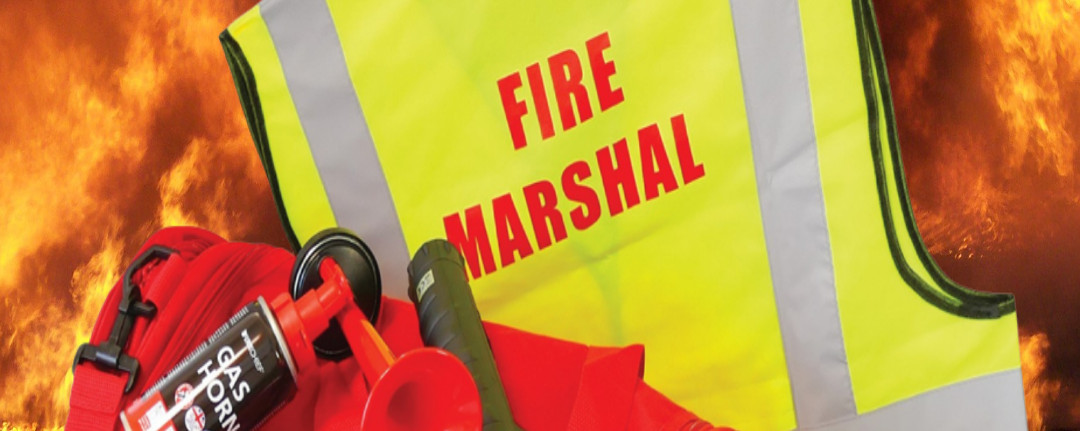
Fire marshals play a vital role in workplace safety by preventing fires and protecting lives through systematic safety management. These specially trained individuals serve as the first line of defence against fire hazards in offices, factories, schools, and other buildings across the UK.
Fire marshals are responsible for conducting safety inspections, managing fire equipment, coordinating emergency evacuations, training staff on fire procedures, and maintaining compliance with fire safety regulations. Their duties extend far beyond simply pointing to fire exits during emergencies. They actively identify potential fire risks, ensure proper maintenance of safety equipment, and educate colleagues about fire prevention measures.
The role requires dedication and proper training, as fire marshal responsibilities vary depending on the organisation and industry. Understanding these responsibilities helps businesses maintain safer workplaces whilst ensuring they meet their legal obligations under UK fire safety law.
Key Takeaways
- Fire marshals conduct regular inspections of safety equipment and identify potential fire hazards throughout the workplace
- They coordinate emergency response procedures and train staff on proper evacuation routes and fire safety protocols
- Fire marshals maintain detailed documentation to ensure regulatory compliance and support continuous safety improvements
Looking for fire marshal courses? We offer a range of online RoSPA approve courses.
Core Fire Marshal Responsibilities
Fire marshals carry out specific duties that protect people and property from fire hazards. These responsibilities include identifying potential dangers, assessing risks, ensuring compliance with fire safety regulations, and overseeing emergency evacuation procedures.
Fire Hazard Identification
Fire marshals must spot potential fire hazards throughout buildings and work areas. They examine electrical systems, heating equipment, and storage areas for flammable materials.
Common hazards include blocked fire exits, faulty wiring, and improper storage of combustible substances. Fire marshals also check for overloaded electrical circuits and damaged fire safety equipment.
Fire marshals inspect buildings to identify risks in commercial, residential, and industrial properties. They look for issues like:
- Blocked escape routes and emergency exits
- Faulty fire detection systems or missing smoke alarms
- Improper chemical storage and handling procedures
- Damaged fire extinguishers or suppression systems
Fire marshals document all hazards they find. They create detailed reports that outline specific problems and required fixes.
Fire Risk Assessment Duties
Fire marshals conduct thorough fire risk assessments to evaluate potential dangers. These assessments examine how fires might start, spread, and affect building occupants.
The assessment process includes reviewing building layouts, occupancy levels, and fire safety measures. Fire marshals consider factors like building materials, ventilation systems, and evacuation routes.
They evaluate the likelihood of fire incidents and potential consequences. This helps determine what safety measures are needed to protect people and property.
Fire marshals must update risk assessments regularly. Changes to building use, occupancy, or layout require new evaluations to maintain safety standards.
Fire Safety Compliance and Enforcement
Fire marshals ensure buildings meet all fire safety regulations and laws. They review building plans and inspect properties to verify compliance with local and national fire codes.
Fire marshals enforce fire codes and issue citations for violations. They have authority to order corrections and may shut down unsafe premises.
Key compliance areas include:
- Fire detection and alarm systems
- Emergency lighting and signage
- Fire suppression equipment
- Safe storage of hazardous materials
Fire marshals work with building owners to correct violations. They set deadlines for fixes and conduct follow-up inspections to verify compliance.
Serious violations may result in legal action or closure orders. Fire marshals must document all enforcement actions properly.
Emergency Evacuation Oversight
Fire marshals oversee emergency evacuation planning and procedures. They ensure buildings have clear evacuation routes and proper emergency procedures.
Fire marshal responsibilities include coordinating evacuation drills and training programmes. They work with building management to develop effective emergency plans.
Fire marshals verify that evacuation routes remain clear and accessible. They check emergency lighting systems and exit signage regularly.
During actual emergencies, fire marshals may coordinate evacuation efforts. They ensure people exit safely and account for all building occupants.
Fire marshals also train other staff members on evacuation procedures. This creates a network of people who can assist during emergencies when the fire marshal is not present.
Fire Safety Inspections and Equipment Management
Fire marshals conduct regular inspections to verify that all fire safety equipment functions properly and meets current standards. They systematically test detection systems, examine firefighting equipment, and ensure emergency routes remain accessible at all times.
Fire Safety Equipment Checks
Fire marshals inspect all firefighting equipment to ensure it operates correctly during emergencies. They examine fire extinguishers for proper pressure levels, current inspection dates, and correct placement throughout the building.
Key equipment inspections include:
- Fire extinguisher pressure gauges and safety pins
- Hose reels and water pressure systems
- Fire blankets and their accessibility
- Sprinkler system components and water flow
The marshal checks that each piece of equipment carries current maintenance tags. They verify that staff can easily access all firefighting equipment without obstructions.
Fire marshals also ensure the correct types of extinguishers are installed for specific fire risks. Class A extinguishers must be positioned near ordinary combustibles, whilst Class B units should be near flammable liquids.
They document any defects or missing equipment in detailed inspection reports. Building owners receive specific deadlines to address these issues before the next inspection.
Testing Fire Alarms and Detection Systems
Fire detection systems require regular testing to ensure they activate properly during emergencies. Fire marshals verify that smoke detectors, heat sensors, and manual call points trigger the main alarm system correctly.
They test the audibility of fire alarms throughout all areas of the building. Sound levels must reach minimum decibel requirements in every room, corridor, and stairwell.
Testing procedures include:
- Activating individual smoke detectors
- Checking manual alarm activation points
- Verifying alarm sounds reach all building areas
- Testing automatic fire door closure systems
Fire marshals ensure the alarm system connects properly to monitoring services or fire stations. They verify that backup power systems activate when mains electricity fails.
The marshal also checks that fire doors close automatically when alarms sound. These doors must seal properly to prevent smoke and fire spread between building compartments.
Inspection of Emergency Lighting and Exits
Emergency lighting systems must illuminate escape routes when normal lighting fails during fires. Fire marshals test these systems monthly to ensure batteries maintain adequate charge levels and bulbs function correctly.
They verify that emergency exits remain clear and accessible at all times. Exit doors must open easily in the direction of escape without requiring keys or special knowledge.
Emergency exit requirements:
- Clearly visible exit signs with illumination
- Unobstructed pathways to all exits
- Properly functioning door hardware
- Adequate width for expected occupancy
Fire marshals measure corridor widths and door openings to ensure they meet capacity requirements. They check that exit routes lead directly to safe assembly points outside the building.
The marshal examines exit signage for damage, correct positioning, and proper illumination. Signs must remain visible even when emergency lighting activates during power failures.
They also verify that emergency exits are not locked, chained, or blocked by equipment, storage, or furniture during operating hours.
Fire Prevention and Risk Reduction Strategies
Fire marshals implement comprehensive prevention measures that focus on protocol establishment, hazardous material control, and electrical system management. These proactive strategies significantly reduce fire risks before emergencies occur.
Fire Safety Protocols Implementation
Fire marshals establish and maintain detailed safety protocols that protect workplace occupants. They develop written procedures covering evacuation routes, assembly points, and emergency communication systems.
Daily protocol maintenance includes:
- Checking fire doors remain closed and unobstructed
- Ensuring exit routes stay clear of storage or equipment
- Verifying emergency lighting functions properly
- Testing alarm systems according to scheduled intervals
Fire marshals conduct regular fire drills to ensure employees understand evacuation procedures. They time these exercises and record participation rates to identify areas needing improvement.
Training programmes form a critical component of protocol implementation. Fire marshals deliver safety briefings to new employees and provide refresher training for existing staff members.
Key training elements cover:
- Proper use of fire extinguishers
- Recognition of fire alarm signals
- Evacuation route identification
- Assembly point procedures
Documentation requirements include maintaining records of all training sessions, drill results, and equipment inspections. This paperwork demonstrates compliance with fire safety legislation requirements.
Control of Hazardous Materials
Fire marshals monitor the storage and handling of dangerous substances that could ignite or accelerate fires. They ensure flammable liquids, gases, and chemicals are stored according to safety regulations.
Proper storage protocols require hazardous materials to be kept in designated areas with appropriate ventilation and containment systems. Fire marshals regularly inspect these storage locations for leaks, damage, or improper labelling.
Storage requirements include:
- Flame-resistant cabinets for flammable liquids
- Adequate separation distances between incompatible materials
- Clear labelling and safety data sheets
- Spill containment equipment readily available
Fire marshals establish procedures for the safe disposal of hazardous waste materials. They coordinate with licensed waste disposal companies and ensure proper documentation of all disposal activities.
Employee training on hazardous material handling forms another crucial responsibility. Fire marshals teach workers to recognise dangerous substances and follow safe handling procedures.
Training covers:
- Personal protective equipment requirements
- Proper lifting and transport techniques
- Emergency response procedures for spills
- Storage compatibility guidelines
Regular audits help identify potential problems before they become serious hazards. Fire marshals document findings and implement corrective actions promptly.
Electrical Safety Management
Electrical systems pose significant fire risks that require constant monitoring and maintenance. Fire marshals inspect electrical installations, identify hazards, and ensure compliance with safety standards.
Common electrical fire hazards include overloaded circuits, damaged wiring, and improper use of extension leads. Fire marshals check for these problems during routine workplace inspections.
Regular electrical inspections cover:
- Circuit breaker panels and fuse boxes
- Portable electrical equipment and appliances
- Extension leads and power strips
- Emergency lighting and alarm systems
Fire marshals work with qualified electricians to address electrical problems promptly. They ensure all electrical work meets current safety standards and building codes.
Prevention measures include establishing policies for electrical equipment use. Fire marshals may restrict the use of personal electrical devices or require inspection before use in the workplace.
Safety protocols include:
- Regular PAT testing schedules
- Guidelines for temporary electrical installations
- Procedures for reporting electrical faults
- Maintenance schedules for electrical systems
Fire marshals maintain detailed records of all electrical inspections and repairs. This documentation helps track equipment performance and identify recurring problems that need attention.
Fire Marshal Role During Emergencies
Fire marshals become critical leaders when emergencies strike, taking charge of evacuation procedures and coordinating immediate response efforts. They must remain calm whilst directing people to safety and making quick decisions about using firefighting equipment for small incidents.
Emergency Response Procedures
Fire marshals follow specific protocols when emergencies occur in their workplace. They immediately assess the situation to determine if evacuation is necessary or if the incident can be managed safely.
The marshal activates fire alarms and coordinates with emergency responders during critical situations. They communicate with the fire service and provide essential building information.
Key response actions include:
- Calling 999 if required
- Activating manual fire alarms
- Checking all areas are evacuated
- Meeting emergency services at designated points
Fire marshals must account for all personnel at assembly points. They provide headcounts and inform emergency services about anyone potentially missing.
The marshal coordinates with other fire marshals in larger buildings. Clear communication prevents confusion and ensures comprehensive coverage of all areas.
Guiding Safe Evacuation
Fire marshals must remain calm during emergencies and organise orderly evacuations. They direct people along predetermined escape routes using their knowledge of emergency evacuation plans.
The marshal ensures disabled or mobility-impaired individuals receive appropriate assistance. They coordinate with colleagues to help anyone who needs additional support during evacuation.
Evacuation responsibilities:
- Guide people to nearest safe exits
- Prevent use of lifts during fires
- Check toilets and meeting rooms
- Direct people to assembly points
Fire marshals prevent panic by speaking clearly and confidently. They give specific directions rather than general instructions to maintain order.
They sweep assigned areas to ensure no one remains inside. This includes checking behind doors, under desks, and in storage areas where people might shelter.
Fire Extinguisher Use in Small Fires
Fire marshals receive training on proper fire extinguisher use for small, contained fires. They assess whether it's safe to tackle a fire or if immediate evacuation is the better choice.
Fire extinguisher types and uses:
The marshal only attempts firefighting if the fire is small and an escape route remains clear. They never turn their back on a fire or attempt to fight large blazes.
Proper technique involves aiming at the base of flames, not the top. Fire marshals sweep the extinguisher from side to side whilst moving closer gradually.
After using firefighting equipment, marshals continue monitoring the area. Small fires can reignite, so they remain vigilant until emergency services arrive.
Training, Drills, and Staff Education
Fire marshals must conduct regular practice evacuations, deliver comprehensive safety instruction to employees, and ensure all team members understand emergency procedures. Fire marshal training typically covers these educational responsibilities as core competencies.
Organising Fire Drills
Fire marshals plan and execute evacuation exercises at least twice yearly. They coordinate with building management to schedule drills during different times and shifts.
Key drill responsibilities include:
- Setting realistic scenarios and timing each evacuation
- Positioning themselves at strategic exit points
- Recording attendance and noting absent staff members
- Observing evacuation routes for bottlenecks or confusion
The fire marshal documents drill performance and identifies improvement areas. They measure total evacuation time and compare it against building capacity guidelines.
Staff behaviour during drills provides valuable insights. The marshal notes who assists others, follows procedures correctly, or requires additional training.
Post-drill debriefs address specific issues immediately. The marshal discusses what worked well and areas needing attention with management and staff.
Delivering Fire Safety Training
Fire marshals conduct structured fire safety training sessions covering prevention, detection, and response procedures. They adapt content to specific workplace hazards and employee roles.
Training topics include:
The marshal demonstrates firefighting equipment operation and explains when staff should attempt extinguishing versus immediate evacuation. They emphasise personal safety over property protection.
Interactive elements keep sessions engaging. Role-playing scenarios help employees practice decision-making under pressure.
The marshal provides written materials summarising key points. These serve as reference guides employees can review later.
New Staff Induction and Refreshers
Fire marshals ensure new employees receive fire safety briefings within their first week. This induction covers building-specific procedures and emergency contacts.
The briefing includes a physical tour of evacuation routes and assembly areas. New staff learn the location of fire equipment and alarm activation points.
Induction checklist:
- Emergency evacuation procedures
- Location of nearest exits and alternatives
- Fire assembly point identification
- Alarm sound recognition
- Reporting procedures
Fire marshal training certificates remain valid for three years. The marshal tracks expiry dates and schedules refresher sessions accordingly.
Annual refreshers update staff on procedure changes and reinforce key messages. These shorter sessions focus on common mistakes observed during drills.
The marshal maintains training records for compliance purposes. Documentation includes attendance, topics covered, and individual competency assessments.
Documentation, Reporting, and Regulatory Duties
Fire marshals must maintain comprehensive records and ensure full compliance with fire safety regulations. They handle incident documentation, keep detailed safety records, and prepare reports that demonstrate adherence to legal requirements.
Maintaining Fire Safety Records
Fire marshals keep detailed records of all fire safety activities within their workplace. These records serve as proof of compliance and help track safety performance over time.
Essential documentation includes:
- Fire drill records with dates, times, and evacuation speeds
- Equipment inspection logs showing maintenance dates
- Training certificates for all fire marshal personnel
- Fire risk assessment updates and review dates
Fire marshals document any safety concerns they identify during routine inspections. They record blocked exits, faulty equipment, or hazardous storage practices.
Record retention typically follows these timeframes:
- Fire drill records: 3 years minimum
- Equipment maintenance logs: 5 years
- Training certificates: Duration of employment plus 2 years
- Incident reports: 10 years or longer
Digital record systems help fire marshals organise and retrieve documentation quickly. Many workplaces use electronic databases to track compliance activities and generate reports for management review.
Regulatory Compliance Documentation
Fire marshals ensure their workplace meets all fire safety regulations under current legislation. They maintain documentation that proves ongoing compliance with legal requirements.
The Regulatory Reform (Fire Safety) Order 2005 requires specific documentation. Fire marshals help gather evidence that demonstrates proper fire safety management.
Key compliance documents include:
- Current fire risk assessment reports
- Emergency evacuation procedures
- Staff training records and schedules
- Fire safety equipment certificates
Fire marshals coordinate with management to ensure all regulatory compliance documentation stays current. They track renewal dates for certificates and schedule required inspections.
Compliance monitoring involves:
- Monthly equipment checks with signed records
- Annual fire risk assessment reviews
- Quarterly emergency procedure updates
- Regular staff training completion tracking
Fire safety laws require employers to demonstrate competent person appointments. Fire marshals provide evidence of their training and ongoing development to meet these legal obligations.
Incident Investigation and Reporting
Fire marshals investigate all fire-related incidents and near-misses within their workplace. They gather facts, identify causes, and prepare detailed reports for management and regulatory authorities.
Investigation procedures include:
- Securing the incident scene safely
- Interviewing witnesses and involved parties
- Photographing damage and relevant conditions
- Collecting physical evidence where appropriate
Fire marshals document timeline details from incident start to resolution. They note response times, evacuation procedures, and equipment performance during emergencies.
Report contents typically cover:
- Incident date, time, and location details
- People involved and injuries sustained
- Property damage assessments
- Root cause analysis findings
- Recommended corrective actions
Serious incidents require immediate reporting to local fire authorities. Fire marshals prepare formal notifications within specified timeframes as required by fire safety compliance regulations.
They track corrective action implementation to prevent similar incidents. Follow-up reports document completed improvements and verify effectiveness of safety measures.
Frequently Asked Questions
Fire marshals face common questions about their daily tasks, training requirements, and emergency procedures. These questions often focus on specific duties during evacuations, equipment maintenance responsibilities, and legal obligations following incidents.
What are the main duties of a fire marshal in a workplace setting?
Fire marshals check that fire exits remain unlocked and unobstructed during regular operations. They verify fire doors close properly and ensure fire extinguishers remain accessible.
These trained employees monitor combustible materials storage and test emergency lighting systems. They stay familiar with evacuation routes and assembly points throughout their designated areas.
Fire marshals help new staff understand fire procedures and remind colleagues about safety basics. They organise fire drills and keep fire action notices visible and current.
During emergencies, they put on high-visibility vests and give clear instructions to nearby people. They direct individuals to the nearest safe exit and help vulnerable persons who need assistance.
How does a fire marshal contribute to fire risk assessments?
Fire marshals support fire risk assessments by identifying hazards and checking escape routes remain clear. They report issues that could increase fire risk to management immediately.
However, fire marshals do not typically carry out formal fire risk assessments themselves. Under the Regulatory Reform (Fire Safety) Order 2005, this duty falls to the responsible person, usually the employer.
Fire marshals provide valuable observations from their daily work areas. They help assessors understand practical challenges and potential hazards that may not be obvious during formal inspections.
What role does a fire marshal play in maintaining fire safety equipment and systems?
Fire marshals confirm fire extinguishers and blankets are accessible and properly positioned. They check that emergency lighting functions correctly during their regular inspections.
They know the location of all firefighting equipment within their designated areas. Fire marshals understand which extinguisher types suit different classes of fires.
These individuals report equipment faults or damage to management promptly. They ensure equipment remains unobstructed and ready for immediate use during emergencies.
Fire marshals may use firefighting equipment only when fires are very small and escape routes remain clear. They must never put themselves or others at unnecessary risk.
What training is required to become a certified fire marshal?
Fire marshal training courses typically cover fire behaviour, UK fire safety legislation, and emergency evacuation procedures. Training includes using firefighting equipment safely and supporting vulnerable persons.
Courses usually last 3-4 hours and teach conducting area sweeps and roll calls. Training covers Personal Emergency Evacuation Plans (PEEPs) for individuals needing additional support.
Training should be refreshed every three years to keep knowledge current with changing regulations. No formal qualifications are required beyond appropriate training certification.
Fire marshals learn about different fire classes and which extinguisher types work for specific situations. They practise evacuation procedures and emergency response protocols.
How does a fire marshal coordinate evacuation procedures during an emergency?
Fire marshals conduct area sweeps of their designated zones if safe to do so. They check toilets, meeting rooms, and other spaces where people might remain.
They close doors and windows where safe but never open doors with hot handles. Fire marshals note if someone refuses to leave and inform emergency services.
At assembly points, fire marshals conduct roll calls using staff registers. They account for visitors and contractors whilst preventing anyone from re-entering the building.
Fire marshals report their findings to senior fire marshals or incident commanders. They provide crucial information to the fire service when emergency responders arrive.
What are the reporting obligations of a fire marshal after a fire incident?
Fire marshals must report their evacuation findings to senior management and emergency services. They document who was accounted for and any individuals who may still be inside.
They provide information about the location and extent of the fire if observed safely. Fire marshals report any equipment failures or procedural issues encountered during evacuation.
These reports help improve future emergency response procedures. Fire marshals may need to participate in post-incident reviews to identify lessons learned.
They document any injuries or assistance provided to vulnerable individuals during evacuation. This information supports formal incident investigations and insurance claims.

%201.png)